

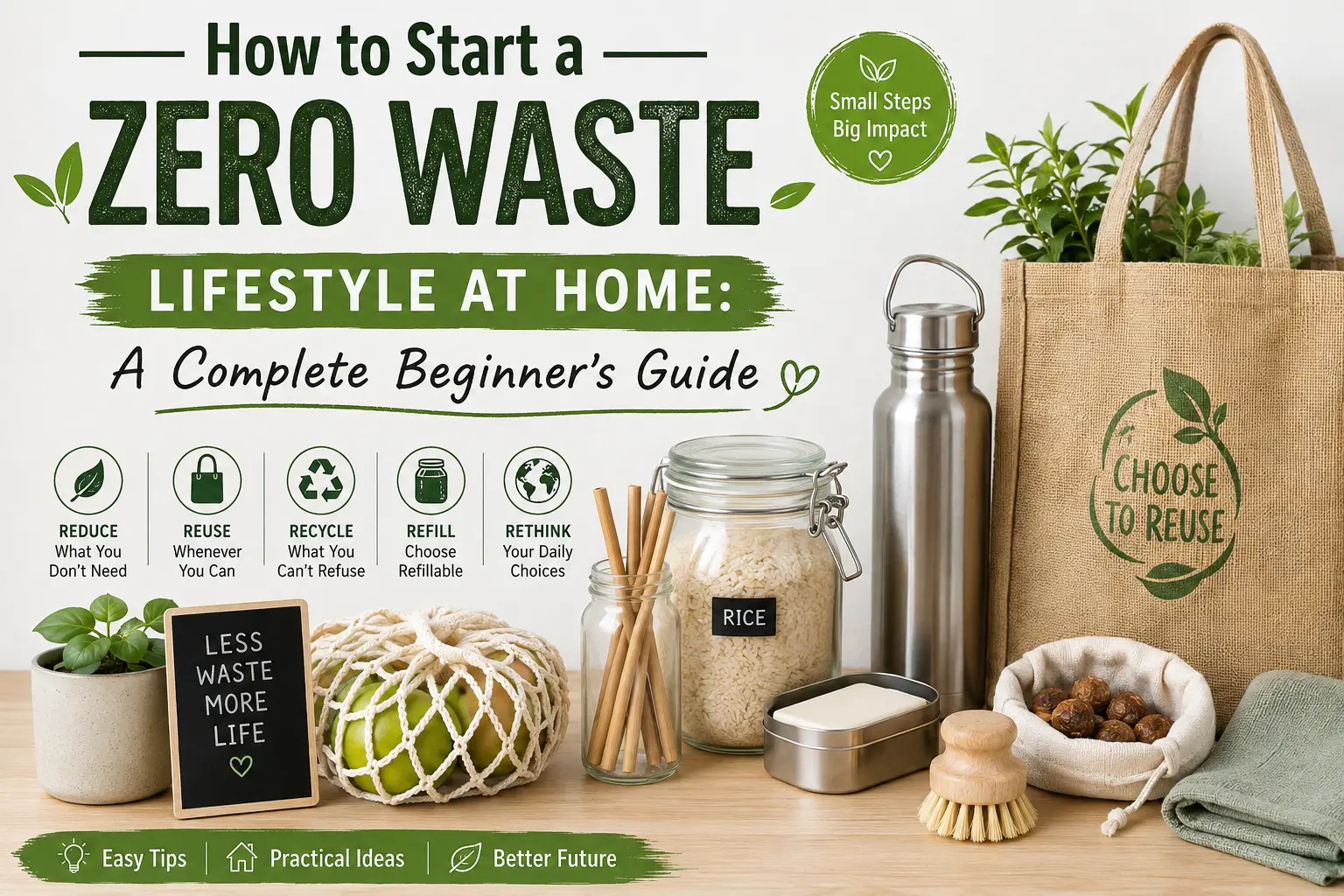
Every year, households around the world throw away staggering amounts of plastic, food, and packaging that end up in landfills, oceans, and incinerators. If you’ve ever stood over your kitchen trash can wondering how it filled up so fast, you’re not alone. More and more people are searching for practical ways to reduce their environmental footprint, and one of the most effective starting points is learning how to start a zero waste lifestyle at home.
The good news? You don’t need to overhaul your entire life overnight. A zero waste lifestyle isn’t about achieving literal zero trash — it’s about making mindful, sustainable choices that gradually reduce the waste you send to landfills. In this guide, we’ll walk through everything you need to know: what zero waste living actually means, why it matters, and step-by-step strategies you can start using today, room by room.
What Does a Zero Waste Lifestyle Mean?
A zero waste lifestyle is a philosophy and a practical approach to living that focuses on minimizing the trash you produce by rethinking how you consume, use, and dispose of everyday items. Rather than treating waste reduction as an afterthought, zero waste living asks you to consider the full life cycle of everything you bring into your home — from the packaging it arrives in to what happens to it once you’re done with it.
This eco-friendly lifestyle isn’t about perfection. Nobody produces literally zero waste. Instead, it’s a mindset shift: buying less, choosing reusable over disposable, repairing instead of replacing, and composting what would otherwise rot in a landfill. Even small, consistent changes add up to a meaningfully smaller environmental footprint over time.
Why Zero Waste Living Matters More Than Ever
Household waste is a growing global problem. Landfills are overflowing, plastic pollution is choking waterways and marine ecosystems, and food waste rotting in landfills produces methane — a greenhouse gas far more potent than carbon dioxide in the short term. Sustainable living at the household level directly addresses these issues in a way that’s within your control.
Beyond the environmental benefits, adopting zero waste habits often has a ripple effect on your wallet and your wellbeing. Buying less, reusing more, and avoiding unnecessary packaging naturally cuts down on spending. Many people also find that a simpler, more intentional household feels calmer and less cluttered. Zero waste living sits at the intersection of environmental responsibility, financial savings, and mindful consumption — which is exactly why it’s becoming such a popular part of the broader green living and sustainable lifestyle movement.
The 5 Rs of Zero Waste: The Foundation of the Movement
Before diving into specific swaps and strategies, it helps to understand the guiding framework behind most zero waste practices: the 5 Rs. These principles build on one another, and applying them in order makes the biggest impact.
1. Refuse
The first and most powerful step is refusing what you don’t need. This means declining free promotional items, single-use plastic bags, straws, and unnecessary packaging whenever possible. Refusing waste before it enters your home is far more effective than trying to deal with it afterward.
2. Reduce
Next, look at what you already consume regularly and find ways to use less. This might mean buying fewer disposable products, simplifying your shopping list, or being more intentional about impulse purchases. Reducing consumption is the core of minimalist, sustainable living.
3. Reuse
Instead of discarding items after a single use, look for ways to reuse them. Glass jars can become food storage containers, old t-shirts can become cleaning rags, and sturdy containers can be repurposed for organizing your home. Investing in durable, reusable products — like cloth bags, stainless steel bottles, and beeswax wraps — reduces your reliance on single-use items.
4. Recycle
Recycling should come after refusing, reducing, and reusing — not as the first line of defense. Recycling is helpful, but it’s energy-intensive and not all materials are recyclable in every municipality. Learning your local recycling guidelines and recycling correctly (clean, sorted, and free of contamination) ensures your efforts actually make a difference.
5. Rot (Compost)
Finally, organic waste — food scraps, yard trimmings, coffee grounds — shouldn’t go to the landfill at all. Composting turns this material into nutrient-rich soil rather than letting it decompose anaerobically and release methane. We’ll cover composting in more depth later in this guide.
Step 1: Start With a Household Waste Audit
Before you can reduce your waste, you need to understand where it’s coming from. A waste audit is one of the most valuable first steps in any beginner’s zero waste journey.
Here’s how to do one:
- Track your trash for a week: Instead of immediately tossing things, set aside your household waste (safely and hygienically) and take note of what you’re throwing away.
- Sort it into categories: Group items into plastic, paper, food scraps, packaging, and miscellaneous waste.
- Identify patterns: Are you consistently throwing away the same type of packaging? Ordering takeout with excessive plastic containers? Buying produce that goes bad before you use it?
- Prioritize your biggest waste sources: Once you see where most of your trash is coming from, you can focus your energy on the changes that will have the biggest impact, instead of trying to fix everything at once.
Step 2: Tackle the Kitchen First
The kitchen is typically where most household waste originates — food packaging, disposable containers, and food scraps all add up quickly. It’s also one of the easiest rooms to make an immediate impact in.
Ditch Single-Use Plastics
Replace plastic wrap, sandwich bags, and disposable water bottles with reusable alternatives:
- Beeswax wraps or silicone lids instead of plastic cling film
- Stainless steel or glass water bottles instead of single-use plastic bottles
- Reusable produce bags and mesh bags for fruits and vegetables
- Glass or stainless steel food storage containers instead of plastic takeout containers
Buy in Bulk and Choose Minimal Packaging
Shopping at bulk food stores or farmers markets lets you bring your own containers and avoid excess packaging altogether. When bulk shopping isn’t available, prioritize products packaged in recyclable or compostable materials over multi-layered plastic packaging.
Plan Meals to Reduce Food Waste
Food waste is one of the most overlooked contributors to household trash. To minimize it:
- Plan your meals around what you already have before buying more
- Store leftovers properly so they actually get eaten
- Use vegetable scraps for homemade stock, and use produce that’s starting to soften in soups or smoothies
- Freeze extras instead of letting them spoil
Start Composting
Composting food scraps is one of the highest-impact habits you can build in the kitchen. You don’t need a large backyard to do it:
- Backyard composting works well if you have outdoor space — layer green materials (fruit and vegetable scraps, coffee grounds) with brown materials (dry leaves, cardboard, paper) and turn the pile regularly to aerate it.
- Countertop compost bins are a great option for smaller kitchens; scraps can later be transferred to a larger outdoor bin or a community compost drop-off.
- Vermicomposting uses worms to break down food scraps quickly and works well for apartments.
- Community composting programs are increasingly available in many cities, offering curbside pickup or neighborhood drop-off points for people without backyard space.
Composting keeps organic material out of landfills, reduces methane emissions, and produces nutrient-rich soil you can use for houseplants or a garden.
Step 3: Simplify Your Bathroom Routine
The bathroom is another major source of plastic waste, from shampoo bottles to disposable razors. A few simple swaps go a long way:
- Bar soap and shampoo bars instead of bottled versions
- Bamboo toothbrushes instead of plastic ones
- Safety razors with replaceable blades instead of disposable plastic razors
- Reusable cotton rounds instead of disposable cotton pads
- Refillable containers for lotions, soaps, and cleaning products, if your local store offers a refill station
- Menstrual cups or reusable pads as a sustainable, cost-saving alternative to disposable products
Many of these swaps also save money over time, since durable products typically outlast their disposable counterparts many times over.
Step 4: Rethink Cleaning Supplies
Conventional cleaning products often come in single-use plastic bottles and contain harsh chemicals. Making your own cleaning products is a simple way to reduce both plastic waste and chemical exposure in your home.
Basic DIY cleaning staples include:
- White vinegar and water as an all-purpose cleaner
- Baking soda as a gentle abrasive scrub
- Castile soap for dishes and surfaces
- Reusable cloths instead of paper towels
If making your own isn’t for you, look for cleaning brands that offer concentrate refills or packaging-free options, which cut down significantly on plastic bottle waste.
Step 5: Build a Reusable “Zero Waste Kit” for Life Outside the Home
Sticking to your new habits gets much easier when you’re prepared. A small zero waste kit that stays in your bag or car helps you avoid single-use items when you’re out and about. Consider including:
- A reusable water bottle
- A set of reusable utensils
- A cloth napkin
- A collapsible reusable coffee cup
- Reusable shopping bags
- A small container for leftovers or bulk purchases
Having these essentials on hand makes it much easier to say no to plastic cutlery, disposable cups, and plastic bags without extra effort.
Step 6: Practice Mindful, Sustainable Shopping
Zero waste living is closely tied to mindful consumption. Before buying something new, ask yourself a few questions:
- Do I actually need this, or do I already own something that serves the same purpose?
- Can I borrow, rent, or buy this secondhand instead of buying new?
- Is this item built to last, or will it need to be replaced quickly?
- Can I choose a version with less or more sustainable packaging?
Buying secondhand — through thrift stores, online marketplaces, or community swap groups — reduces demand for new production and keeps usable items out of landfills. When you do need to buy new, prioritizing quality over quantity means fewer replacements and less waste over the long run.
Step 7: Get the Whole Household Involved
Zero waste habits stick better when everyone in the household is on board. This is especially true if you live with family, roommates, or children.
- Involve kids in sorting recycling or adding scraps to the compost bin
- Make it a team habit rather than one person’s responsibility
- Set small, shared goals — like a “no single-use plastic” week — to build momentum together
- Celebrate progress, not perfection; even partial participation from everyone adds up
Step 8: Connect With Your Local Community
Zero waste living doesn’t have to be a solo effort. Many cities now offer resources that make sustainable habits easier to maintain, including:
- Community composting programs and drop-off sites
- Local recycling and hazardous waste collection events
- Bulk food and refill stores
- Repair cafés where you can fix appliances, electronics, or clothing instead of discarding them
- Local zero waste or sustainability groups where you can trade tips, swap items, or get support
Connecting with others working toward the same goals not only keeps you motivated but often exposes you to resources and options you wouldn’t find on your own.
Common Mistakes to Avoid When Starting Out
As you begin your zero waste journey, keep these common pitfalls in mind:
- Trying to do everything at once: Overhauling your entire home in a week is overwhelming and rarely sustainable. Start with one room or one habit at a time.
- Buying too many “zero waste” products at once: Ironically, replacing every plastic item in your home immediately can create more waste, not less. Use up what you already have before replacing it with a reusable alternative.
- Ignoring the Refuse and Reduce steps: Recycling and composting are important, but they shouldn’t replace the more impactful habits of refusing and reducing consumption in the first place.
- Expecting perfection: A zero waste lifestyle is about progress, not an all-or-nothing standard. Every reduced piece of plastic or diverted food scrap matters.
- Not checking local recycling rules: Recycling guidelines vary by location, and contaminated recycling (food residue, incorrect materials) can end up in landfills anyway. Take the time to learn what your local program actually accepts.
Sample 30-Day Plan to Get Started
If you want a structured way to ease into zero waste living, try this simple progression:
- Week 1: Conduct your waste audit and identify your top three waste sources.
- Week 2: Focus on the kitchen — start composting. And swap out one single-use item (like plastic wrap or water bottles).
- Week 3: Tackle the bathroom — switch to bar soap, a reusable razor, or reusable cotton rounds.
- Week 4: Build your reusable kit for outings, try a DIY cleaning recipe, and research local recycling and composting resources in your area.
By the end of the month, you’ll have built several sustainable habits without feeling overwhelmed — and you’ll have a clear sense of where to focus next.
Room-by-Room Quick Reference
If you’d rather work through your home systematically, this quick reference summarizes the highest-impact swaps by room.
Living Room and Home Office
- Switch to digital bills, statements, and subscriptions instead of paper mail
- Use refillable pens and pencils, or choose ones made from recycled materials
- Repair furniture and electronics before replacing them; look into local repair cafés
- Donate or sell items you no longer use instead of throwing them away
- Choose secondhand or vintage furniture and décor when redecorating
Bedroom and Closet
- Practice a “one in, one out” rule for clothing to avoid accumulation
- Choose natural, durable fabrics that last longer and biodegrade at end of life
- Repair small clothing damage (loose buttons, small tears) instead of discarding items
- Donate unwanted clothing to secondhand stores or textile recycling programs
- Consider clothing swaps with friends or community groups instead of buying new
Garage and Outdoors
- Compost yard waste alongside kitchen scraps
- Choose reusable, refillable containers for garden supplies
- Repair rather than replace outdoor tools and equipment
- Collect rainwater for gardening to reduce both waste and water use
- Recycle or properly dispose of batteries, paint, and other household hazardous waste through designated local programs rather than regular trash
How to Stay Motivated Long-Term
Many people start a zero waste journey with enthusiasm but lose momentum after the first few weeks. Here are a few strategies that help make the transition last:
- Track your progress, not just your failures: Keep a simple log of how much less trash you’re producing week over week. Seeing tangible progress — a smaller trash bag, a fuller compost bin — reinforces the habit.
- Set realistic, specific goals: Instead of a vague goal like “produce less waste,” aim for something concrete, such as “eliminate single-use coffee cups this month” or “compost all food scraps for 30 days.”
- Focus on habits, not purchases: It’s tempting to think buying more “eco-friendly” products is the answer, but the real shift happens in daily behavior — refusing, reducing, and reusing what you already have.
- Give yourself grace: There will be weeks where convenience wins, and that’s normal. A zero waste lifestyle is a long-term practice, not a strict rulebook, and consistency over months matters far more than any single slip-up.
- Revisit your waste audit periodically: Doing a follow-up audit every few months helps you see how far you’ve come and identify the next area to improve.
Frequently Asked Questions
Is it realistic to produce zero waste at home?
Producing literally zero waste is nearly impossible for most households, and that’s not really the goal. A zero waste lifestyle is about significantly reducing the trash you send to landfills through refusing, reducing, reusing, recycling, and composting — not achieving a perfect, waste-free existence.
How much does it cost to start living zero waste?
Getting started doesn’t have to be expensive. Many of the most effective first steps — refusing single-use items, meal planning to reduce food waste, and using up products you already own — cost nothing. Reusable products like glass jars, cloth bags, and stainless steel bottles do involve some upfront cost, but they typically pay for themselves over time by replacing items you’d otherwise repurchase repeatedly.
Can I live zero waste in an apartment without a yard?
Yes. Apartment dwellers can use countertop compost bins, vermicomposting systems, or community composting drop-off points instead of a backyard compost pile. Many other zero waste habits — reducing packaging, buying in bulk, choosing reusable items, and shopping secondhand — don’t require outdoor space at all.
What’s the difference between zero waste and recycling?
Recycling is just one part of the zero waste framework, and it comes after refusing, reducing, and reusing in terms of priority. Recycling alone doesn’t address the root causes of overconsumption, and not everything you place in a recycling bin actually gets recycled. Zero waste living aims to reduce the amount of material that needs to be recycled — or disposed of — in the first place.
Final Thoughts: Progress Over Perfection
Learning how to start a zero waste lifestyle at home isn’t about achieving an impossible standard of producing no trash at all. It’s about consistently choosing reusable over disposable, mindful over impulsive, and sustainable over convenient — one habit at a time. Start with a waste audit, focus on the highest-impact changes first (usually the kitchen), and build outward from there.
Every reusable bag, composted banana peel, and refused plastic straw is a small but real step toward reducing your environmental footprint. Over time, these individual choices add up — not just in your own household, but as part of a much larger shift toward more sustainable, conscious living.

2 Comments
Pingback: Zero Waste for Beginners: Your Simple Starter Guide - zerowastelifestyle.net
Pingback: Zero Waste Lifestyle Tips for Absolute Beginners - zerowastelifestyle.net