

Have you ever looked at your trash can and felt a little bad about how full it gets every week? You are not alone. More and more people are trying to live a zero waste lifestyle because they want to help the planet, save money, and live in a simpler way.
The good news is that a zero waste lifestyle is not about being perfect. It is not about fitting one year of trash into a small glass jar (even though some people online do that). It is about making small, easy changes that add up over time. In this guide, we will use simple words to explain what a zero waste lifestyle really means, why it matters, and how you can start today, even if you are busy or on a tight budget.
What Is a Zero Waste Lifestyle?
A zero waste lifestyle is a way of living that tries to send as little trash as possible to landfills, oceans, and incinerators. The main goal is simple: use less, waste less, and throw away less.
People who follow a zero waste lifestyle try to:
- Buy only what they truly need
- Reuse items instead of throwing them away
- Recycle things the right way
- Compost food scraps
- Say no to things they don’t need, like plastic bags or free samples
You don’t need to throw away plastic overnight or change your whole life in one day. A zero waste lifestyle is a journey, not a race. Even small steps count.
Why Does a Zero Waste Lifestyle Matter?
You might be wondering, “Why should I care about my trash?” Here are a few simple reasons why a zero waste lifestyle is important for you and the world around you.
1. Less Trash Means a Cleaner Planet
Every year, people throw away tons of garbage. Much of this trash ends up in landfills, rivers, and oceans. Animals can get hurt by plastic waste, and land can become polluted. When you choose a zero waste lifestyle, you help reduce this problem, even in small ways.
2. It Saves You Money
Many zero waste habits actually save money. When you buy less, reuse more, and avoid single-use items, you spend less on things you don’t really need. For example, using a refillable water bottle instead of buying plastic bottles every day can save you a lot of money over time.
3. It Can Improve Your Health
A zero waste lifestyle often means eating more fresh food, using fewer harsh chemicals, and choosing natural products. This can be better for your body and your home.
4. It Feels Good
Many people say that living with less waste helps them feel calmer and more in control. Instead of buying things just to throw them away later, you learn to value what you already have.
The 5 Rs of a Zero Waste Lifestyle
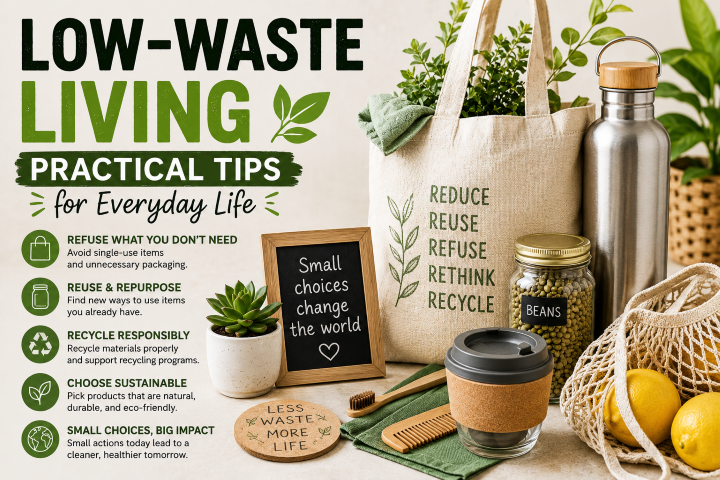
If you want to start a zero waste lifestyle, a simple way to remember the basic rules is the “5 Rs.” These are five easy steps that guide most zero waste choices.
Refuse
This means saying “no” to things you don’t need. For example, refuse plastic straws, free pens, or plastic bags at the store. If you don’t take it home, you don’t have to throw it away later.
Reduce
This means buying and using less. Before you buy something new, ask yourself, “Do I really need this?” Reducing what you buy is one of the most powerful parts of a zero waste lifestyle.
Reuse
Instead of throwing things away after one use, find ways to use them again. Old jars can hold spices or leftovers. Old t-shirts can become cleaning rags. Reusing items keeps them out of the trash for longer.
Recycle
Not everything can be reused, and that’s okay. For items you can’t reuse, recycle them the right way. Learn what your local recycling program accepts, because rules can be different depending on where you live.
Rot (Compost)
Food scraps and some paper products can be composted instead of thrown away. Composting turns waste into rich soil that can help plants grow. This step is often forgotten, but it plays a big role in a true zero waste lifestyle.
How to Start a Zero Waste Lifestyle: Step by Step
Starting a zero waste lifestyle can feel a little overwhelming at first, especially if you look at photos of people with tiny trash jars online. But remember, you don’t have to be perfect. Here is a simple, step-by-step way to begin.
Step 1: Do a Trash Audit
Before you can reduce your waste, you need to know what you are actually throwing away. For one week, pay attention to what goes into your trash can. Is it mostly food packaging? Plastic bags? Paper? Once you know your biggest waste problems, you can focus your energy there first.
Step 2: Pick One Easy Swap
Don’t try to change everything at once. Pick one simple swap and stick with it until it becomes a habit. Some easy first swaps include:
- Using a reusable water bottle instead of buying plastic ones
- Bringing your own bags to the grocery store
- Switching from paper towels to cloth towels
- Using a reusable coffee cup instead of disposable cups
Once this new habit feels normal, add another one.
Step 3: Shop With a Plan
A big part of a zero waste lifestyle is buying only what you need. Before you go shopping, make a list. This helps you avoid buying extra things that might end up wasted or unused.
Step 4: Choose Reusable Items Over Single-Use Ones
Single-use items are things you use once and throw away, like plastic forks, straws, and plastic wrap. Try to replace these with reusable options such as:
- Metal or bamboo cutlery
- Cloth napkins
- Beeswax wraps or reusable containers instead of plastic wrap
- Reusable shopping bags and produce bags
Step 5: Learn to Repair Instead of Replace
Instead of throwing away broken items, try to fix them first. You can repair clothes, shoes, and small electronics instead of buying new ones. Many communities even have “repair cafés,” where people help each other fix things for free.
Step 6: Start Composting
If you have space, even a small compost bin can help you turn food scraps into useful soil. If you live in an apartment, look for a local composting program that will pick up your food scraps for you.
Step 7: Buy in Bulk When You Can
Buying food and household items in bulk, using your own containers, can cut down a lot on packaging waste. Many stores now offer bulk sections for grains, beans, spices, and even cleaning products.
Step 8: Reduce Food Waste
Food waste is a huge part of household trash. To reduce it, try these tips:
- Plan your meals before shopping
- Store leftovers properly so they don’t spoil
- Use vegetable scraps to make broth
- Freeze food before it goes bad
Easy Zero Waste Swaps for the Kitchen
The kitchen is often where most household waste comes from. Here are some simple, low-cost ways to make your kitchen more waste-friendly.
- Swap paper towels for cloth towels or rags
- Use glass jars instead of plastic containers for storage
- Choose loose fruits and vegetables instead of ones wrapped in plastic
- Make your own snacks instead of buying packaged ones
- Use a reusable coffee filter instead of paper filters
- Keep a small container in the freezer for vegetable scraps to make broth later
Easy Zero Waste Swaps for the Bathroom
Bathrooms are also full of single-use plastic items. Try these simple changes:
- Switch to a bar of soap instead of liquid soap in a plastic bottle
- Use a bamboo toothbrush instead of a plastic one
- Try shampoo and conditioner bars instead of bottles
- Use reusable cotton pads instead of disposable ones
- Choose a safety razor instead of disposable plastic razors
Easy Zero Waste Swaps for Shopping
- Bring your own bags every time you shop
- Choose products with little or no packaging
- Buy secondhand clothes and furniture when possible
- Support local businesses that use less packaging
- Avoid impulse buying by making a list first
Zero Waste Lifestyle on a Budget
Some people think a zero waste lifestyle is expensive, but that’s not true. In fact, it can help you save money because you are buying less overall. Here are some budget-friendly tips:
- Use what you already own before buying new “zero waste” products
- Choose secondhand items from thrift stores instead of new ones
- Make your own cleaning products using simple ingredients like vinegar and baking soda
- Borrow items you rarely use, like tools, instead of buying them
- Repair items instead of replacing them
Remember, you don’t need fancy or expensive products to live a zero waste lifestyle. The simplest and cheapest choice is often the most sustainable one: using what you already have.
Common Mistakes People Make When Starting a Zero Waste Lifestyle
Many people get excited about a zero waste lifestyle and then feel discouraged when it’s harder than expected. Here are some common mistakes to avoid.
Mistake 1: Trying to Do Everything at Once
Jumping into every zero waste habit at the same time can feel exhausting. It’s better to start slow and build habits one at a time.
Mistake 2: Throwing Away Things That Still Work
Some people rush to buy “eco-friendly” products and throw away perfectly good items they already own. This actually creates more waste. Always use up what you have first.
Mistake 3: Aiming for Perfection
A true zero waste lifestyle is almost impossible to achieve completely. The goal is progress, not perfection. Even reducing your waste by a small amount makes a difference.
Mistake 4: Ignoring the Bigger Picture
While personal choices matter, a zero waste lifestyle also includes supporting bigger changes, like community recycling programs or local policies that reduce waste. Individual actions are powerful, but working together makes an even bigger impact.
How a Zero Waste Lifestyle Helps the Environment
Living with less waste isn’t just good for your home. It helps the planet in many ways.
- Less pollution: Less trash means less plastic and chemicals polluting land, rivers, and oceans.
- Fewer landfills: When we reduce, reuse, and recycle, less trash needs to be buried or burned.
- Saves natural resources: Making new products uses raw materials like water, trees, and oil. Reusing and recycling helps save these resources.
- Less carbon pollution: Producing new items creates carbon emissions. A zero waste lifestyle can help lower your carbon footprint.
- Protects animals: Less plastic waste means fewer animals get hurt or trapped by trash in nature.
How to Stay Motivated on Your Zero Waste Journey
Living a zero waste lifestyle is a long-term habit, not a quick fix. Here are some simple ways to stay motivated.
Set Small Goals
Instead of trying to reach “zero waste” overnight, set small, realistic goals. For example, aim to reduce your trash by a small amount each month.
Track Your Progress
Keep a simple journal or notes on your phone about the changes you’ve made. Seeing your progress can help you stay motivated.
Join a Community
Many people find it helpful to join local or online groups focused on a zero waste lifestyle. You can share tips, ask questions, and get support from others on the same journey.
Celebrate Small Wins
Did you finally remember to bring your reusable bags? Did you finish a jar of homemade cleaning spray instead of buying more plastic bottles? Celebrate these small wins. They add up to big changes over time.
Zero Waste Lifestyle and Community
A zero waste lifestyle isn’t just something you do alone. Being part of a community can make the journey easier and more fun. You can:
- Join local swap events where people trade clothes, books, or tools
- Attend workshops about composting or repairing items
- Support local recycling and composting programs
- Share your zero waste tips with friends and family
- Encourage schools or workplaces to reduce waste
When more people join together, the impact becomes much bigger than what one person can do alone.
Simple Zero Waste Habits You Can Start Today
If you’re not sure where to begin, here is a short list of easy habits you can try right now.
- Carry a reusable water bottle wherever you go
- Bring your own bags when shopping
- Say no to plastic straws
- Start a small compost bin for food scraps
- Buy secondhand clothes instead of new ones
- Use cloth napkins instead of paper ones
- Repair broken items instead of throwing them away
- Choose products with less packaging
- Make a shopping list before going to the store
- Store leftovers properly to avoid food waste
You don’t need to do all of these at once. Pick one or two and start today.
Frequently Asked Questions About a Zero Waste Lifestyle
Is it possible to live a completely zero waste lifestyle? It is very hard to create absolutely zero trash. Most people aim to reduce waste as much as possible instead of reaching a perfect zero.
Does a zero waste lifestyle cost more money? Not usually. In fact, many zero waste habits, like buying less and reusing items, can help you save money over time.
Where should I start if I’m new to this lifestyle? Start with a trash audit to see what you throw away the most. Then pick one easy swap, like a reusable water bottle or shopping bag, and build from there.
Can I live a zero waste lifestyle in an apartment or city? Yes. Many zero waste habits, like reusable bags, composting programs, and buying secondhand, work well even in small city apartments.
What if I make mistakes along the way? That’s completely normal. A zero waste lifestyle is about progress, not perfection. Every small step helps.
Zero Waste Lifestyle Ideas for Kids and Families
Teaching kids about a zero waste lifestyle early on can help them build good habits for life. Families can work together to make waste reduction fun instead of stressful.
- Let kids pack their own reusable lunch containers
- Turn recycling and composting into a simple daily game
- Teach kids to repair toys instead of throwing them away
- Involve children in gardening or composting projects
- Read books about nature and the environment together
When the whole family takes part, a zero waste lifestyle becomes easier to keep up, and kids learn values that can last a lifetime.
Zero Waste Lifestyle at Work
You don’t have to stop your zero waste habits when you leave home. Many people bring their zero waste lifestyle into the workplace too. Here are some simple ideas:
- Bring your own reusable mug or water bottle to the office
- Use a reusable lunch container instead of disposable ones
- Print only when necessary, and use both sides of the paper
- Suggest a recycling or composting bin in the break room
- Choose digital documents instead of printed ones when possible
Small changes at work can add up quickly, especially in offices with many employees. You might even inspire your coworkers to make similar changes.
Zero Waste Lifestyle While Traveling
Traveling can make it harder to stick to a zero waste lifestyle, but it’s not impossible. A little planning goes a long way.
- Pack a reusable water bottle and refill it instead of buying bottled water
- Bring a small reusable bag for shopping or souvenirs
- Choose hotels or stays that support sustainable practices
- Pack snacks in reusable containers instead of buying packaged ones
- Say no to hotel toiletries in small plastic bottles if you don’t need them
Traveling with a zero waste mindset just takes a bit of extra planning, but it helps you stay true to your habits even when you’re away from home.
How to Handle Setbacks in Your Zero Waste Journey
It’s normal to slip up sometimes. Maybe you forgot your reusable bags at home, or you had to buy something in plastic packaging because there was no other option. This does not mean you have failed.
A zero waste lifestyle is not about being perfect every single day. It’s about building better habits over time. If you have a setback, don’t be too hard on yourself. Simply notice what happened, learn from it, and try again next time. Progress is what truly matters, not perfection.
The Difference Between Zero Waste and Minimalism
People often confuse a zero waste lifestyle with minimalism, but they are not exactly the same thing.
- Zero waste focuses on reducing the trash you create and being mindful of how you use and dispose of items.
- Minimalism focuses on owning fewer things overall and simplifying your life.
While these two lifestyles are different, they often go well together. Many people who follow a zero waste lifestyle also enjoy owning fewer things, since less clutter usually means less waste in the long run. You don’t have to be a strict minimalist to live a zero waste lifestyle, but the two ideas can support each other nicely.
Zero Waste Lifestyle Myths You Should Stop Believing
There are a few common myths about a zero waste lifestyle that stop people from even trying. Let’s clear them up.
Myth 1: You need to buy lots of new “eco” products. The truth is, the most zero waste thing you can do is use what you already own. Buying new items, even eco-friendly ones, still creates demand for more production.
Myth 2: It only matters if you do it perfectly. Even small changes make a real difference. You don’t need to reach zero trash to make a positive impact.
Myth 3: It takes too much time. Many zero waste habits, like bringing a reusable bag or turning off the tap while brushing your teeth, take no extra time at all once they become a habit.
Myth 4: It’s only for certain types of people. Anyone can practice a zero waste lifestyle, no matter their income, location, or daily schedule. It’s about doing what you can, with what you have.
Final Thoughts on the Zero Waste Lifestyle
A zero waste lifestyle is not about being perfect or never making trash again. It’s about making thoughtful choices, one small step at a time. By refusing what you don’t need, reducing what you use, reusing what you can, recycling properly, and composting food scraps, you can lower your impact on the planet while also saving money and simplifying your life.
Remember, you don’t have to change everything overnight. Start small. Pick one habit, practice it until it feels normal, and then add another. Over time, these small changes will add up to a much bigger impact, both for you and for the planet.
Whether you’re just starting out or you’ve already begun your journey, every step toward a zero waste lifestyle matters. The planet, your wallet, and your peace of mind will thank you.

1 Comment
Pingback: Zero Waste Lifestyle Tips for Absolute Beginners 2026