

Have you ever taken out the trash and wondered where all that garbage actually goes? Most of it ends up sitting in a landfill for years, or it gets burned, or it washes into rivers and oceans. That thought is what makes many people want to try a zero waste lifestyle.
The good news is that a zero waste lifestyle is not as hard as it sounds. It does not mean you have to make zero trash starting tomorrow. It simply means you try to make less trash, step by step, in ways that fit your everyday life. In this guide, we will use easy words to explain what a zero waste lifestyle is, why it matters, and how you can start living it today — one small habit at a time.
What Is a Zero Waste Lifestyle?

A zero waste lifestyle is a way of living where you try to send as little trash as possible to the landfill. Instead of throwing things away, you look for ways to use less, reuse more, and only throw away what truly cannot be avoided.
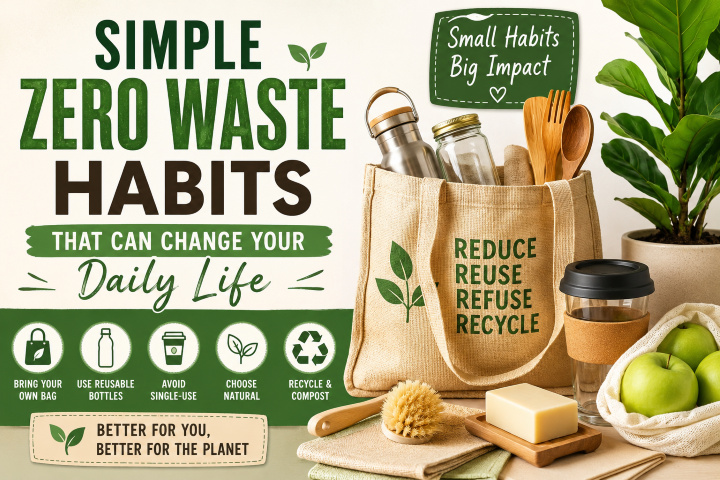
This lifestyle is often explained using five simple words, sometimes called the “5 Rs”:
- Refuse – Say no to things you don’t need, like plastic bags, straws, or free samples you’ll never use.
- Reduce – Buy and use less. Only get what you actually need.
- Reuse – Use items again and again instead of tossing them after one use.
- Recycle – When you can’t refuse, reduce, or reuse something, recycle it the right way.
- Rot – Compost your food scraps and other organic waste instead of throwing them in the trash.
People who follow a zero waste lifestyle try to use these five steps in that order. Refusing and reducing come first because the best trash is the trash you never made in the first place.
It’s important to know that no one is perfect at this. Even people who have followed a zero waste lifestyle for years still make some trash. The goal is not to be perfect. The goal is to make better choices, little by little, and to keep improving over time.
Why Does a Zero Waste Lifestyle Matter?
You might be asking, “Why should I care about my trash? It’s such a small amount compared to what factories and big companies throw away.” That’s a fair question, but here’s the truth: small actions add up, and they also send a message that changes how companies and communities behave.
Here are some simple reasons why a zero waste lifestyle is worth trying.
1. It Helps the Planet
When trash sits in a landfill, it doesn’t just disappear. Plastic can take hundreds of years to break down. As it slowly falls apart, it releases tiny pieces called microplastics into the soil and water. Food waste that gets buried in a landfill also releases a gas called methane, which is bad for our climate. By making less trash, you help slow down these problems.
2. It Protects Animals and Oceans
A lot of the plastic waste we throw away ends up in rivers, lakes, and oceans. Fish, turtles, and birds often mistake plastic for food, which can hurt or even kill them. Living a zero waste lifestyle, especially cutting back on single-use plastic, helps keep our water and wildlife safer.
3. It Can Save You Money
This might surprise you, but a zero waste lifestyle often costs less money, not more. When you buy fewer things, cook more meals at home, and reuse items instead of replacing them, you naturally spend less. Simple swaps like using a refillable water bottle instead of buying bottled water can save you a good amount of money over a year.
4. It Encourages Simpler, Healthier Living
Many people who try a zero waste lifestyle say it helps them slow down and think more carefully about what they buy. Instead of shopping just because something looks nice, they ask, “Do I really need this?” This kind of mindful thinking often leads to a calmer, less cluttered life.
5. It Inspires Others
When your friends, family, or neighbors see you bringing your own bags to the store or using a reusable coffee cup, it can inspire them to try the same thing. Change often spreads through simple examples, not big speeches.
Common Myths About a Zero Waste Lifestyle
Before we get into the tips, let’s clear up a few myths that stop people from even trying.
Myth 1: You need to make zero trash: This is simply not true. Nobody makes zero trash. A zero waste lifestyle is about reducing trash as much as you reasonably can, not reaching a perfect number.
Myth 2: It’s expensive: Some zero waste products, like fancy stainless steel containers, can cost more upfront. But over time, buying less and reusing more usually saves money.
Myth 3: It takes a lot of time: Many zero waste habits, like carrying a reusable bag or turning off the tap while brushing your teeth, take no extra time at all. You are simply replacing one habit with another.
Myth 4: You have to change everything at once: This is one of the biggest reasons people give up. A zero waste lifestyle works best when you build it slowly, one habit at a time.
How to Start a Zero Waste Lifestyle: Step by Step
Now let’s get into the part you’re probably most excited about — how to actually start. Below are simple, doable steps that anyone can follow, no matter where you live or how busy you are.
Step 1: Do a Trash Audit
Before you can reduce your trash, it helps to know what you’re actually throwing away. This is called a trash audit, and it’s easier than it sounds.
For one week, pay attention to what goes in your trash and recycling bins. You can even write it down in a notebook or on your phone. At the end of the week, look at the list and ask:
- What did I throw away the most?
- Which of these items could I avoid buying next time?
- Which items could I reuse or recycle instead of tossing?
Most people are surprised to learn that food packaging, plastic bags, and food scraps make up a huge part of their trash. Once you know your biggest problem areas, you can focus your energy there first instead of trying to fix everything at once.
Step 2: Start With the Easy Swaps
You don’t need to buy a whole new set of “zero waste products” to get started. In fact, the best first step is to simply use what you already have at home. Once you’re ready for new items, here are some of the easiest and most popular swaps:
- Reusable shopping bags instead of plastic bags
- A refillable water bottle instead of buying bottled water
- A reusable coffee cup or mug instead of disposable cups
- Cloth napkins instead of paper napkins
- Metal or bamboo cutlery instead of plastic utensils
- Glass jars instead of plastic containers for storing food
- A safety razor instead of disposable plastic razors
- Bar soap and shampoo bars instead of bottled versions
- Beeswax wraps or reusable silicone covers instead of plastic wrap
You don’t need to buy all of these at once. Pick one or two that fit your daily habits and start there.
Step 3: Rethink Your Grocery Shopping
Food shopping is one of the biggest sources of waste for most households, so it’s a great place to make change.
- Bring your own bags to the store, including small produce bags for fruits and vegetables.
- Buy in bulk when you can. Many stores now let you fill your own containers with grains, nuts, or spices, which cuts down on packaging.
- Choose fresh over packaged: A fresh apple has no packaging, while a bag of pre-cut apple slices does.
- Make a shopping list and stick to it. This helps you avoid impulse buys that often end up wasted.
- Look for less packaging: When you have a choice between two similar products, pick the one with less plastic or cardboard around it.
Step 4: Reduce Food Waste
Food waste is a huge part of the trash problem, and it’s often overlooked. In fact, a large amount of the food that people buy is never eaten. Here’s how to fix that.
- Plan your meals for the week so you only buy what you’ll actually use.
- Store food properly so it lasts longer. Learn which fruits and vegetables should go in the fridge and which should stay on the counter.
- Use your leftovers. Turn extra veggies into a soup, or use stale bread to make croutons.
- Understand food labels: “Best by” dates are often about quality, not safety, so food is frequently still good to eat after that date.
- Compost what you can’t eat: Fruit peels, eggshells, and coffee grounds can be composted instead of thrown in the trash. Composting turns food scraps into rich soil instead of letting them rot in a landfill and release methane gas.
If you don’t have space for a compost bin, look for community compost programs in your area. Many cities now offer drop-off spots or curbside pickup for food scraps.
Step 5: Rethink the Bathroom
Bathrooms are full of single-use plastic, from shampoo bottles to disposable razors. Here are some simple swaps:
- Switch to shampoo and conditioner bars instead of bottles.
- Use a bamboo toothbrush instead of a plastic one.
- Try reusable cotton rounds instead of disposable cotton pads.
- Choose refillable deodorant or make your own with simple ingredients.
- Use a menstrual cup or reusable pads as an alternative to disposable products, if that fits your needs and comfort.
Step 6: Rethink Cleaning Products
Cleaning supplies often come in plastic bottles that get thrown away once empty. To cut down on this waste:
- Buy concentrated cleaners that you mix with water in a reusable spray bottle.
- Use simple ingredients like vinegar and baking soda for basic cleaning tasks.
- Switch from paper towels to reusable cloths that you can wash and use again.
- Choose refill stations, if your area has them, instead of buying a brand-new bottle every time.
Step 7: Buy Less, Choose Well
One of the biggest ideas behind a zero waste lifestyle is buying fewer things overall. This doesn’t mean you can never buy anything new. It means you think carefully before you buy.
Before making a purchase, ask yourself:
- Do I really need this, or do I just want it?
- Can I borrow, rent, or find this secondhand instead?
- Will I use this often, or will it sit unused after a few weeks?
- Is this made to last, or will it break quickly and need to be replaced?
Buying secondhand items, like clothes, furniture, or electronics, is a great way to reduce waste. It keeps items out of the landfill and often saves you money too.
Step 8: Repair Instead of Replace
Before throwing something away because it’s broken, ask if it can be fixed. Torn clothes can be sewn, broken furniture can sometimes be repaired, and many electronics can be fixed instead of tossed. Some communities even have “repair cafes,” where volunteers help people fix broken items for free.
Step 9: Recycle the Right Way
Recycling is part of a zero waste lifestyle, but it should come after refusing, reducing, and reusing, not as the first step. Recycling still uses energy and resources, so it’s better to avoid making trash in the first place. That said, when you do need to recycle, do it correctly:
- Learn what your local recycling program accepts, since rules can be different depending on where you live.
- Rinse out containers before recycling them so they don’t contaminate the batch.
- Avoid “wishcycling,” which means tossing something into the recycling bin just hoping it can be recycled, even when you’re not sure. This can actually cause more harm than good.
Step 10: Get Your Household on Board
If you live with family, roommates, or a partner, a zero waste lifestyle works best when everyone is involved. You don’t need to force big changes on people. Instead, lead by example and explain why you’re making these choices. Over time, many people find that their housemates start picking up the same habits naturally.
Zero Waste Lifestyle Tips for Busy People
Not everyone has time to make everything from scratch or visit five different stores for package-free shopping. Here are some tips for people with a busy schedule:
- Start with just one habit: Pick the easiest swap, like carrying a reusable bag, and build from there.
- Keep a “zero waste kit” in your bag or car: Include a reusable bag, water bottle, and set of utensils so you’re always ready.
- Cook in batches: Preparing meals ahead of time reduces the temptation to buy packaged, ready-made food.
- Set small goals: Instead of trying to change everything, aim for one new habit each month.
- Don’t aim for perfect: Progress matters far more than perfection.
Zero Waste Lifestyle on a Budget
Some people believe a zero waste lifestyle is only for people with extra money to spend on fancy eco-products. That’s not true. Many zero waste habits actually help you save money:
- Buying less means spending less.
- Cooking at home is usually cheaper than buying packaged or takeout food.
- Repairing items costs less than replacing them.
- Shopping secondhand is often cheaper than buying new.
- Using what you already own, instead of buying “zero waste” branded products, doesn’t cost anything at all.
You don’t need to throw away your plastic containers and replace them with glass ones right away. Use what you have until it wears out, then replace it with a better option.
How a Zero Waste Lifestyle Helps Your Community
A zero waste lifestyle isn’t just something you do alone at home. It can also connect you with other people who care about the same things. Here are a few ways to get involved:
- Join a local zero waste group: Many cities have groups that share tips, host clean-up days, or organize swap events where people trade clothes or household items instead of buying new ones.
- Support local businesses that use less packaging or offer refill options.
- Take part in community clean-ups, where volunteers pick up litter from parks, beaches, or streets.
- Talk to your local government about better recycling or composting programs in your area.
- Share what you learn with friends and family. Change often spreads through simple conversations.
Common Challenges (and How to Handle Them)
Trying a zero waste lifestyle isn’t always smooth. Here are some common struggles and simple ways to work through them.
- Challenge: Not enough time: Solution: Focus on one small change at a time instead of trying to overhaul your whole life in a week.
- Challenge: Stores nearby don’t offer package-free options: Solution: Focus on the swaps you can control. Like bringing your own bags or choosing less-packaged products, even at a regular store.
- Challenge: Family members aren’t interested: Solution: Lead by example rather than lecturing. People are often more open to change when they see it working, not when they’re told what to do.
- Challenge: Feeling like your effort doesn’t matter: Solution: Remember that every piece of trash you avoid is one less piece sitting in a landfill or ocean. Small actions, repeated daily, truly add up over time.
- Challenge: Guilt over not being “perfect:” Solution: Let go of the idea of perfection. A zero waste lifestyle is about doing your best, not achieving zero trash. Progress is what matters.
Sample Weekly Plan to Start Your Zero Waste Lifestyle
If you’re not sure where to begin, here’s a simple plan you can follow over one week:
- Day 1: Do a quick trash audit. Just notice what you throw away.
- Day 2: Set up one reusable item, like a water bottle or coffee cup, in your bag.
- Day 3: Plan your meals for the week to avoid food waste.
- And Day 4: Try shopping with your own bags at the grocery store.
- Day 5: Start a small compost bin. Or find a local compost drop-off spot.
- Day 6: Go through one drawer or shelf at home and set aside items you no longer need to donate.
- Day 7: Reflect on the week. What felt easy? What felt hard? Choose one habit to keep building on next week.
This kind of slow, steady plan is much easier to stick with than trying to change everything overnight.
Final Thoughts on the Zero Waste Lifestyle
A zero waste lifestyle is not about being perfect. It’s about making thoughtful choices, one small step at a time. You don’t need to buy a whole new set of products or change your entire life in a single day. Start with one simple swap, like carrying a reusable bag or planning your meals better, and build from there.
Every piece of plastic you refuse, every meal you don’t waste, and every item you reuse instead of throwing away makes a real difference. When more people choose a zero waste lifestyle, even in small ways, it adds up to a much bigger impact for our planet, our wallets, and future generations.
So don’t wait for the “perfect” moment to start. Pick one habit from this guide, try it this week, and build your zero waste lifestyle one simple step at a time.
